

Sep 10, 2026
Booking a flight for £40 and then seeing a taxi quote for £60 to get to the airport feels backwards, and it's a complaint most travellers share at some point. If you've ever wondered why airport transfers are so expensive compared with a normal local trip, the answer isn't a single price hike. It's a stack of smaller costs and market conditions that add up quickly. This guide breaks down where that price actually comes from, and what you can do to keep your own transfer cost down.
Airport transfers cost more than a typical local journey because they combine long-distance mileage, unsociable hours, licensing and insurance requirements, and a driver's wasted time on the return leg. Add in demand-based pricing from some operators, and a single trip to the terminal can look far pricier than the short taxi ride you'd take across town.
Most people underestimate how far their nearest major airport actually is. A transfer from Preston to Manchester Airport, Liverpool Airport, or one of the London airports can cover anywhere from 45 to over 200 miles round trip once you count the driver's return journey. Fuel, wear on the vehicle, and the driver's time all scale with that distance, so a longer route always carries a higher price than a five-minute hop to the shops.
Road distance matters more than straight-line distance too. A route that crosses motorway tolls, congestion zones, or airport access roads carries extra fixed costs that get built into the fare, on top of the mileage itself.
Here's a cost that rarely gets mentioned: after dropping you at departures, the driver often has to head back with an empty car. That return mileage still burns fuel and takes up the driver's time, but it earns nothing. Operators factor this "dead mileage" into the fare for the outbound trip, since it's the only way to cover the full cost of the journey. This is one of the main reasons airport transfers are priced higher per mile than a typical short local fare.
Flights rarely depart at convenient times. Early morning check-ins and late-night arrivals mean drivers are working hours most people wouldn't choose for a normal shift. Operators need to pay drivers fairly for that time, and fewer drivers are willing to work through the night, which pushes costs up for early and late transfers. If you've noticed your 4am airport run costs more than the equivalent daytime trip, this is why.
Licensed taxi and private hire operators carry costs that unlicensed lifts don't. Drivers need the right licence, vehicles need regular inspection, and operators carry insurance that covers passengers properly on longer, motorway-heavy routes. These aren't optional extras. They're part of what makes a transfer safe and accountable, and they show up in the price you pay. A cheaper, unlicensed lift might look tempting, but it skips the protections that come with a properly regulated service.
This is where a lot of the frustration comes from. Ride-hailing apps often use demand-based pricing, which means the fare climbs when lots of people are requesting a car at once, such as during a flight delay wave or a Friday evening rush. A journey that would normally cost £25 can jump to £40 or more if you book during one of these surge windows. Airports themselves can also add pickup fees for ride-share vehicles collecting passengers, which adds another layer on top of the base fare.
Fixed-fare taxi operators work differently. The price agreed at booking stays the price you pay, regardless of how busy the roads are or how many other people are travelling that morning.
Prices for transfers, like flights themselves, tend to rise around school holidays, bank holidays, and major events. More people travelling at once means more demand for a limited pool of drivers and vehicles, and operators price accordingly. Booking a transfer weeks ahead of a half-term getaway usually locks in a better rate than trying to arrange one the night before you fly.
A standard car works fine for one or two passengers with a couple of bags. A family of five with three suitcases and a pushchair needs a larger vehicle, and larger vehicles cost more to run, so the fare reflects that. Booking the right size vehicle for your group avoids the higher cost of an oversized car you don't need, or the hassle of a car that can't fit everyone in.
Motorway traffic around major airports adds its own cost pressure. A journey that should take fifty minutes can stretch to ninety during rush hour or a bank holiday getaway, and that extra time on the road is time the driver isn't earning from another fare. Several London airports also sit within or near congestion charge zones, and some airports apply their own access charges to vehicles picking up or dropping off passengers at the terminal. None of these costs are obvious from the outside, but they all sit somewhere inside the final price you're quoted.
It's worth knowing why two operators can quote very different prices for what looks like the same journey. A licensed, insured taxi company with fixed fares builds in the true cost of the trip, driver time, fuel, licensing, and the return leg, from the start. An app-based ride, on the other hand, can look cheaper on a quiet Tuesday morning and far more expensive on a Sunday evening when demand spikes. Comparing quotes at the same time of day, rather than assuming one type of service is always cheaper, gives a fairer picture of your actual options.
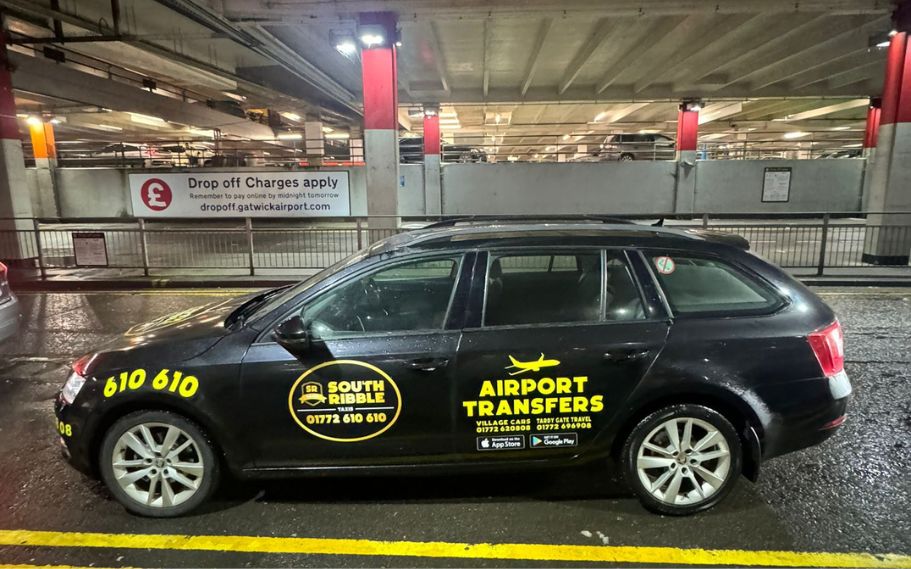
The gap between a fixed-fare taxi and a surge-priced app fare is often bigger than people expect. With a fixed-fare service, you agree the price at the time of booking, so a delayed flight, a busy Friday night, or an early departure doesn't change what you pay. South Ribble Taxis runs its airport transfer service this way, covering Manchester, Liverpool, Leeds Bradford, and all London airports with a set fare agreed up front, no surge pricing added on top.
This matters most on the trips where surge pricing bites hardest: very early mornings, very late nights, and busy travel weekends. Knowing your fare before you leave the house takes one variable out of a day that already has enough to think about.
Airport transfers cost more than a local taxi ride for good reason. Longer distances, empty return journeys, unsociable working hours, proper licensing, and demand-based pricing all play a part. Understanding where that cost comes from makes it easier to plan around it, whether that means booking early, choosing a fixed fare, or simply building the cost into your travel budget from the start. For anyone travelling from Preston or South Ribble, a pre-booked, fixed-fare transfer with South Ribble Taxis takes the guesswork out of the price, however early or late your flight happens to be.
Why do airport taxis cost more than regular local taxi journeys?
Airport transfers usually cover longer distances, involve an empty return leg for the driver, and often happen during unsociable hours. All of this adds cost that a short local trip doesn't carry.
Is it cheaper to book an airport transfer in advance?
Yes, in most cases. Booking ahead avoids last-minute surge pricing and gives operators time to plan the route efficiently, which usually keeps the fare lower than booking on the day.
Why do ride-hailing apps charge more for airport pickups?
Many apps use demand-based pricing, so fares climb when lots of passengers are requesting rides at once. Some airports also add a separate pickup fee for ride-share vehicles collecting from the terminal.
Are fixed-fare taxis cheaper than app-based rides for airport transfers?
It depends on timing, but fixed-fare taxis tend to work out better value during peak or unsociable hours, since the price is agreed before you travel and doesn't change with demand.
How can I avoid paying extra for an early morning or late-night transfer?
Book with a fixed-fare operator that sets its price at the time of booking. That way, an early departure or a late return doesn't come with a surprise surcharge.


.svg)

Officially Gold Standard Awarded taxi operator! Book with confidence.
© 2026 South Ribble Taxis. All Rights Reserved.


