

Dec 17, 2025
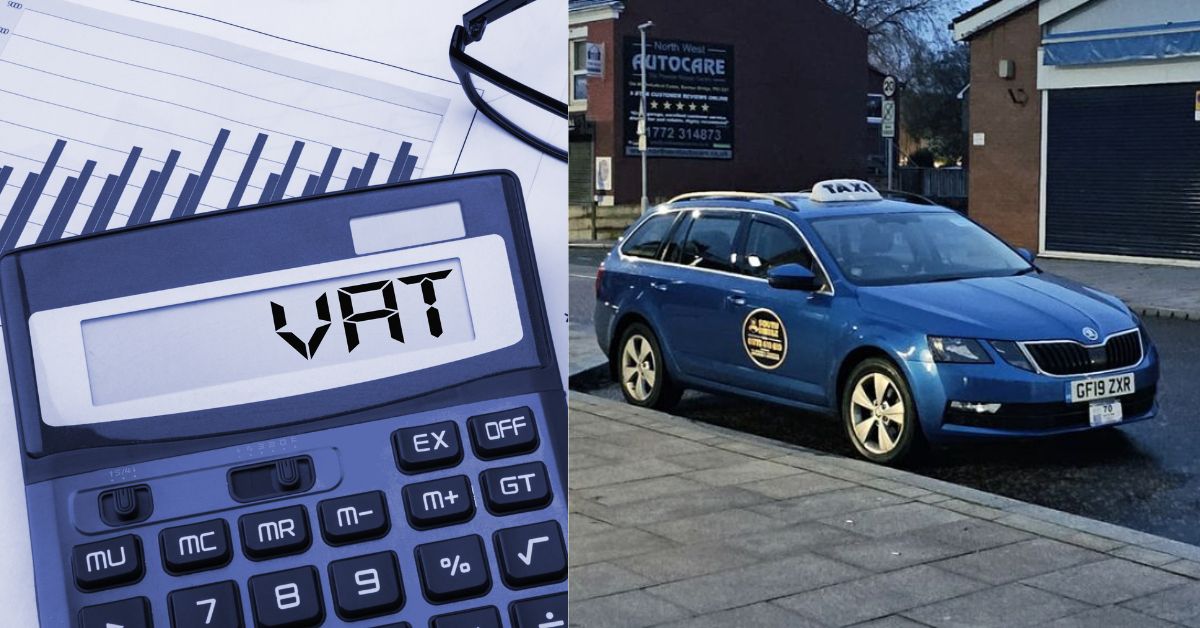
If you've ever looked at a taxi receipt and wondered whether you're paying VAT on your journey, you're not alone. The question of VAT on taxi fares confuses many passengers across the UK. The answer isn't as straightforward as you might expect, and understanding how it works can help you know exactly what you're paying for.
Let's break down everything you need to know about VAT on taxi fares, from the basic rules to specific situations that affect your bill.
Value Added Tax (VAT) is a consumption tax added to most goods and services in the UK. The standard rate currently sits at 20%, but not every service attracts this charge.
Here's the key point: most taxi fares in the UK do not include VAT. That's right. When you take a standard taxi journey, you're typically paying a VAT-free fare.
Why? Because HMRC (Her Majesty's Revenue and Customs) exempts taxi operators whose annual turnover falls below the VAT registration threshold, which stands at £90,000 as of 2024. Many taxi drivers and small operators don't reach this threshold, so they don't need to register for VAT or charge it on fares.
When VAT does apply to taxi fares:
If a taxi service is VAT-registered, they must charge 20% VAT on all fares and clearly show this on receipts.
Most passengers don't automatically know whether their taxi fare includes VAT. Here's how you can find out.
Check your receipt. Any VAT-registered taxi operator must provide receipts that clearly show:
If you don't see these details on your receipt, chances are you haven't been charged VAT. The fare you paid is the final amount.
When you book with South Ribble Taxis, our pricing structure is transparent. We're a locally operated service in the South Ribble area, and our drivers provide clear receipts for every journey. Whether you're heading to work, catching a train, or need airport transfers, you'll know exactly what you're paying.
The UK distinguishes between two main types of taxi services, and this can affect VAT treatment.
Hackney carriages (black cabs) can be hailed on the street or picked up at taxi ranks. These traditional taxis use meters to calculate fares based on distance and time.
Private hire vehicles must be booked in advance through a licensed operator. You can't legally hail them on the street.
From a VAT perspective, both types follow the same rules. What matters is whether the operator is VAT-registered, not which type of vehicle they operate. A hackney carriage driver with turnover below the threshold won't charge VAT. A private hire company above the threshold will charge VAT on all bookings.
This is where things get interesting for business passengers.
If you're travelling for work and your company is VAT-registered, you can potentially reclaim VAT on taxi fares, but only if the taxi operator charged VAT in the first place.
Here's what you need:
Many business travellers don't realise that most standard taxi journeys won't qualify for VAT reclaim simply because no VAT was charged. You can only reclaim VAT that was actually paid.
For companies in South Ribble needing regular business transport, understanding which services charge VAT helps with accurate expense reporting and budgeting. South Ribble Taxis serves numerous local businesses with reliable transport solutions, and we ensure all receipts contain the information you need for your records.
The rise of ride-sharing apps like Uber has added another layer to the VAT question.
Most major ride-sharing platforms operate as VAT-registered businesses. When you book through these apps, you're typically charged VAT on the fare. The app company itself is registered for VAT, even if individual drivers operating through the platform aren't.
Your digital receipt will show the fare breakdown, including any VAT charged. This makes it easier for business passengers to reclaim VAT on these journeys.
Traditional taxi services work differently. When you call a local operator like South Ribble Taxis directly, you're dealing with drivers or a company that may or may not be VAT-registered, depending on their turnover.
Airport taxi services sometimes charge VAT, particularly if they're provided by larger companies or executive car services with higher turnover.
Standard taxi services to airports follow the same VAT rules as any other journey. If the operator is VAT-registered, you'll pay VAT. If not, you won't.
Pre-booked airport transfers through executive services almost always include VAT because these companies typically operate above the registration threshold. They offer premium vehicles and services, which generates higher turnover.
If you need airport transfers from South Ribble to Manchester Airport or Liverpool John Lennon Airport, checking whether your chosen service charges VAT helps you budget accurately, especially for business trips where you need proper receipts.
Some situations create exceptions to standard VAT treatment on taxi fares.
The £90,000 turnover threshold explains why most independent taxi drivers and small operators don't charge VAT on fares.
Think about the maths. An average taxi fare might be £10-15. To reach £90,000 annual turnover, a driver would need to complete roughly 6,000-9,000 journeys per year. That's 16-25 journeys every single day, year-round.
Many taxi drivers, particularly those working part-time or in smaller towns, don't come close to this volume. They remain below the VAT threshold and therefore don't need to register or charge VAT.
Larger taxi companies with multiple vehicles and drivers might exceed the threshold collectively. In these cases, they must register for VAT and charge it on all fares, regardless of which driver completes the journey.
Whether or not VAT applies to your taxi fare, always request a receipt.
A proper receipt should include:
For business passengers, keeping accurate records matters for expense claims, tax returns, and potential VAT reclaims. Even if no VAT was charged, you still need proof of the expense.
Many modern taxi services provide digital receipts via email or SMS, making record-keeping easier. When you book with local operators in the South Ribble area, asking for a detailed receipt ensures you have everything needed for your business records.
Most taxi journeys in the UK don't include VAT because most operators remain below the £90,000 annual turnover threshold. However, larger companies, executive services, and corporate taxi providers often charge VAT at the standard 20% rate.
Your receipt tells you whether VAT was charged. If you don't see a VAT registration number and separate VAT amount listed, you haven't paid VAT on that journey.
For business passengers, this matters when reclaiming expenses and VAT. You can only reclaim VAT that was actually charged, so check receipts carefully.
Understanding these rules helps you know exactly what you're paying for when you take a taxi. Whether you're commuting to work, heading to the airport, or running errands around town, knowing the VAT situation gives you clarity on your travel costs.
Do I always pay VAT on taxi fares in the UK?
No, you don't always pay VAT on taxi fares. Most independent taxi drivers and small operators don't charge VAT because their annual turnover stays below the £90,000 threshold set by HMRC. Only VAT-registered taxi services charge the standard 20% rate. Your receipt will show whether VAT was included in your fare.
Can my business reclaim VAT on taxi fares?
Your business can only reclaim VAT on taxi fares if the taxi operator charged VAT in the first place. You'll need a valid VAT receipt showing the operator's registration number, the VAT amount, and proof the journey was for business purposes. Many standard taxi journeys don't qualify because no VAT was charged.
Is VAT charged on Uber and other ride-sharing apps?
Most major ride-sharing apps charge VAT on fares because these platforms operate as VAT-registered businesses. Your digital receipt will show the fare breakdown including any VAT charged. This makes these services convenient for business passengers who need to reclaim VAT on travel expenses through their companies.
How do I know if a taxi company is VAT-registered?
Check your receipt. VAT-registered taxi companies must provide receipts showing their VAT registration number, the fare before VAT, the VAT amount (at 20%), and the total including VAT. If these details aren't on your receipt, the operator isn't VAT-registered and hasn't charged you VAT on your journey.
Does the type of taxi affect whether VAT is charged?
The type of taxi doesn't determine VAT treatment. Whether you use a hackney carriage (black cab) or a private hire vehicle, VAT rules are the same. What matters is whether the operator's annual turnover exceeds £90,000 and whether they're registered for VAT, not which type of vehicle they operate.


.svg)
Officially Gold Standard Awarded taxi operator! Book with confidence.
© 2026 South Ribble Taxis. All Rights Reserved.


